What TMJ Treatment Options Are Available?

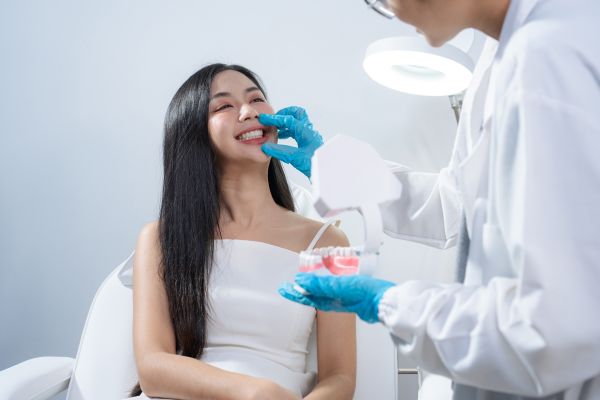
Patients often ask about TMJ treatment options when jaw pain, clicking, or headaches disrupt everyday life. The temporomandibular joint (TMJ) links the lower jaw to the skull and powers chewing, speech, and yawning. When the joint or the surrounding muscles become overworked or inflamed, symptoms can include jaw stiffness, ear fullness, limited opening, and facial soreness. A general dentist evaluates jaw motion, bite alignment, tooth wear, and muscle tenderness to identify the likely causes and match care to each patient’s goals.
Conservative therapies
Most TMJ treatment options begin with reversible, conservative steps that calm muscles and protect teeth. A custom night guard, also called an occlusal splint, reduces grinding pressure and guides the jaw into a more relaxed position. Short-term anti-inflammatory strategies, warm compresses, and dietary changes to softer foods help quiet irritated tissues. Simple habit training, like keeping teeth apart at rest, improving posture, and managing stress triggers, often lowers daytime clenching.
Common conservative options include:
- Custom night guard to reduce clenching forces
- Targeted jaw exercises and physical therapy for mobility
- Short-term anti-inflammatories as directed by a physician
- Heat or cold therapy to ease muscle soreness
- A softer diet and smaller bites during a flare
- Behavior coaching to limit daytime bruxism
These steps aim to lower strain, improve coordination, and protect the joint while symptoms settle.
Dental and medical solutions
When symptoms persist, additional TMJ treatment options can refine the bite or address deeper joint concerns. Selective bite adjustments polish minor tooth interferences that cause the jaw to deviate during chewing. Restorative dentistry, such as conservative bonding or onlays, may rebuild worn tooth structure to support smoother jaw tracking. For patients with missing teeth, replacing spaces stabilizes chewing patterns and reduces uneven loading.
Muscle-focused treatments may help specific cases. Botulinum toxin can relax overactive chewing muscles when clenching contributes to pain, and it is typically paired with splint therapy. For joint-related issues like disc displacement or chronic inflammation, a specialist may recommend arthrocentesis, a minimally invasive washout of the joint, or arthroscopy to diagnose and treat internal derangements. Imaging, such as cone-beam CT or MRI, guides these decisions and helps rule out other causes of facial pain.
When to seek care
Consider a professional evaluation if jaw discomfort lasts longer than a week, opening feels limited, or headaches coincide with morning tooth soreness. Early assessment identifies contributing factors, such as bruxism, airway issues, or arthritis, and streamlines care. A general dentist can coordinate conservative measures, monitor response, and collaborate with physical therapy or medical specialists when needed. These coordinated TMJ treatment options support steady improvement and help prevent future flare-ups.
A careful exam leads to a straightforward plan, starting with the least invasive steps and building only as needed. This patient-centered approach keeps comfort, function, and oral health in focus while outlining realistic timelines for relief. For more information or to schedule an appointment, call our office.
To schedule a consultation, please request an appointment on our website at https://alaskaadvanceddentistry.com or call Alaska Advanced Dentistry at (907) 522-3633 to arrange an appointment at our Anchorage office.
Check out what others are saying about our dental services on Yelp: TMJ Dentist in Anchorage, AK.
Recent Posts
TMJ disorders are known to be one of the most grueling, as they induce a lot of discomfort and difficulty eating. However, modern-day technology has allowed for a wide range of options when it comes to treatment plans. Working with a general dentist is typically the first step. As surprising as it may be, general…
You may not think much about TMJ disorder unless a dentist diagnoses you with it. This is a serious condition that can cause much pain and discomfort. Untreated, this disorder can make it difficult to chew and even speak. Instead of suffering and being in agony, you can speak to your dentist. Fortunately, relief is…
Searching for a "dentist near me" online can feel easier when patients know which details matter before scheduling a visit. A local dental office can provide routine cleanings, dental exams, tooth repairs, and urgent care when symptoms arise. The right choice depends on practical needs, oral health goals, and how well the office communicates care…
Gum disease treatment helps maintain healthier gums by reducing infection-causing bacteria and helping the tissues reattach more securely around the teeth. Gum disease often begins with mild symptoms, but it can progress silently and significantly impact overall oral health. Our dentist can evaluate the severity of your gum disease and develop a structured plan to…